





Sustainability and biodiversity
We like to operate as sustainably as possible. For this reason, we are dedicated to minimising our environmental impact in whatever way we can, while creating a thriving habitat for local wildlife and plants.
We have adopted a meticulous approach to plant selection, and as well as achieving Plant Healthy certification, we are also participating in the Plant Passport scheme to ensure the health, traceability and provenance of all our plants.
We are committed to biosecurity; we only source plants from safe regions and take every possible step to minimise the risk of introducing plant diseases.
How we are committed to biodiversity
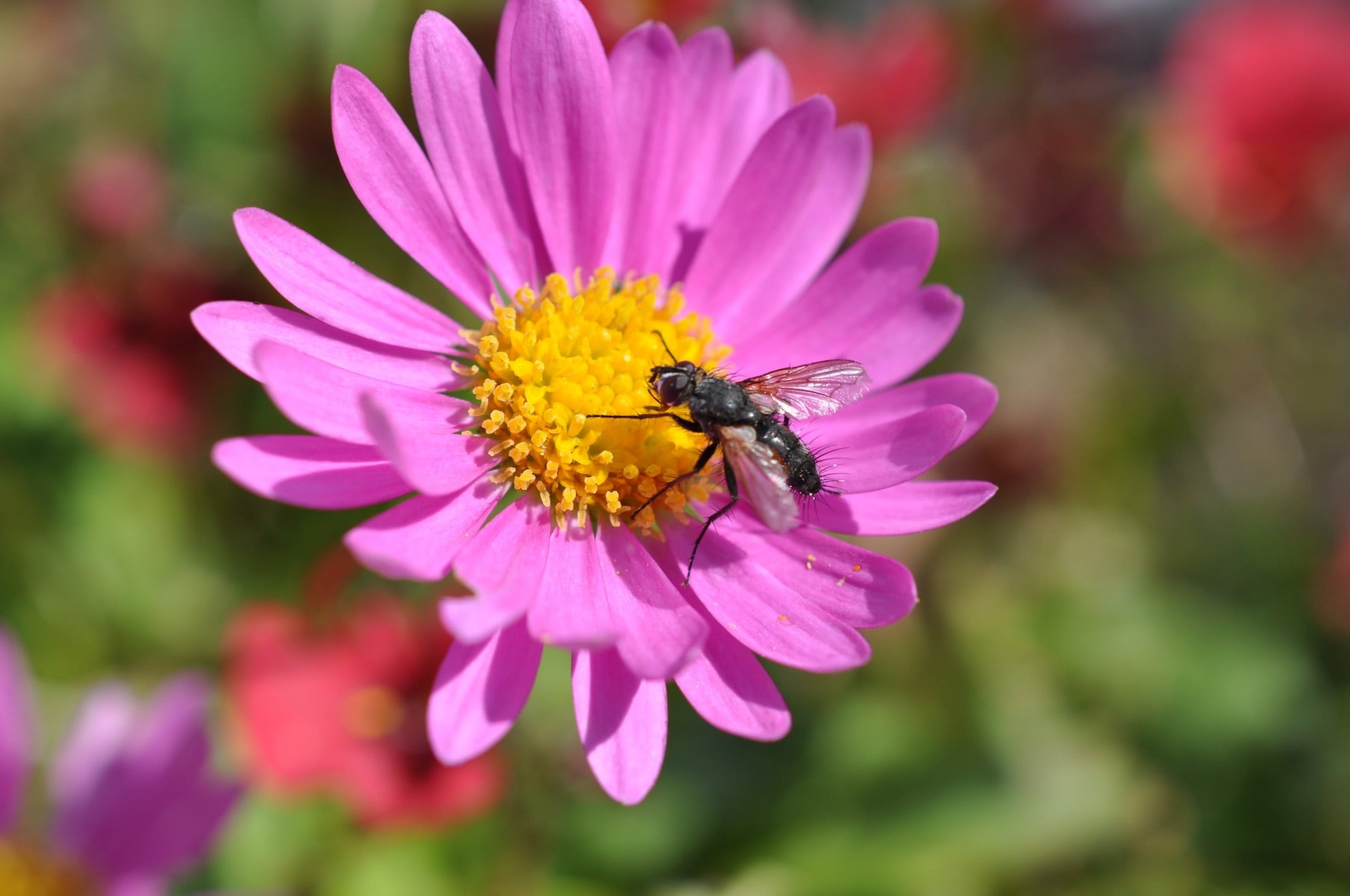
For several years, we have collaborated with a local beekeeping charity, hosting several hives on our site.
We have also installed a number of owl and bat nesting boxes in the trees and hedging around the perimeter of the site where there is little traffic. We sowed locally sourced wildflower seeds along the banks of our reservoirs, enhancing biodiversity and providing an excellent habitat for local pollinators.
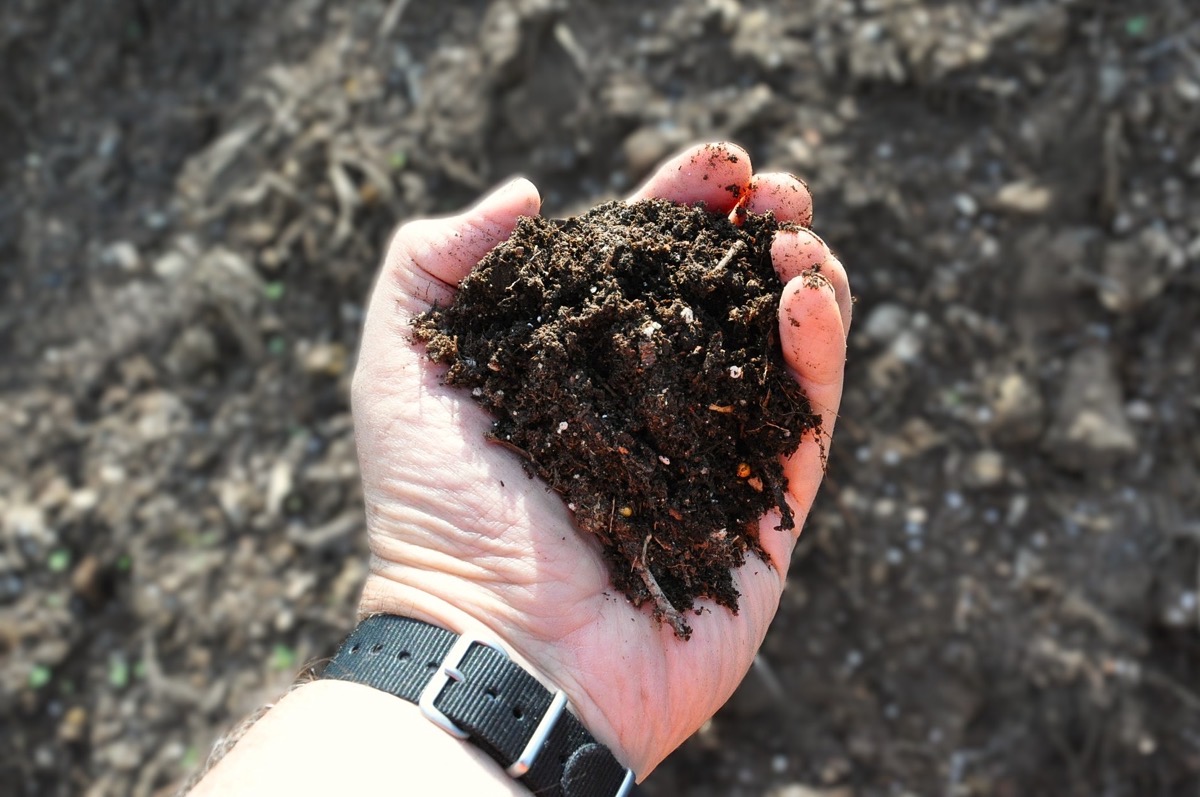
We maintain several wind row composting heaps, using plants which are either past their best or have failed to meet our rigorous standards.
The composting process creates a fertile breeding ground for invertebrates, providing a food source for birds and promoting sustainable soil management.
The compost produced can be used for various purposes, but a large proportion is used for reinstating and enriching the fields where root balls have been excavated during our tree production process, ensuring a healthy and fertile root zone for future trees.
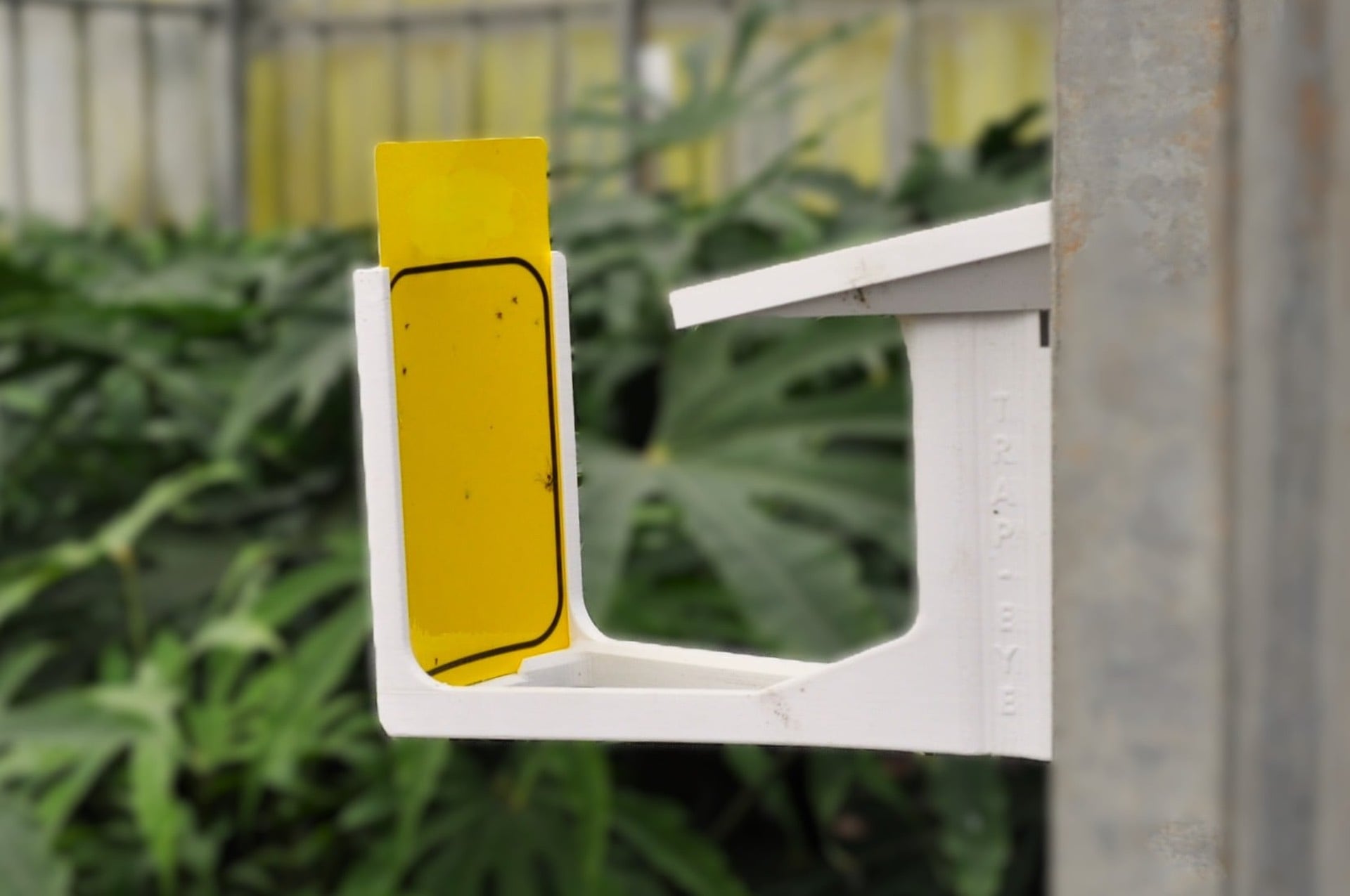
We are among the first UK ornamental growers to install PATS-C and Bug Eye AI automated pest detection and monitoring equipment, which constantly updates and quantifies requirements for a minimal approach to pest control.
Pests are detected by solar-powered cameras placed at strategic points around our 1-hectare glasshouse, with information regularly uploaded to a central database that will update and record pest numbers, allowing the management team to monitor activity and introduce control as and when necessary.
We have recently completed the installation of computer-controlled retractable sunscreens in all areas of our 1-hectare Young Plants Unit. This is where we wean and nurture our self-propagated plants.
The system is linked to our automatic roof vents and irrigation infrastructure, providing a bespoke automated climate control system throughout this expansive glasshouse.
The sunscreens and vents allow us to maintain optimum growing conditions, facilitating airflow and reducing the need for excessive watering, while preventing scorching during the height of summer.
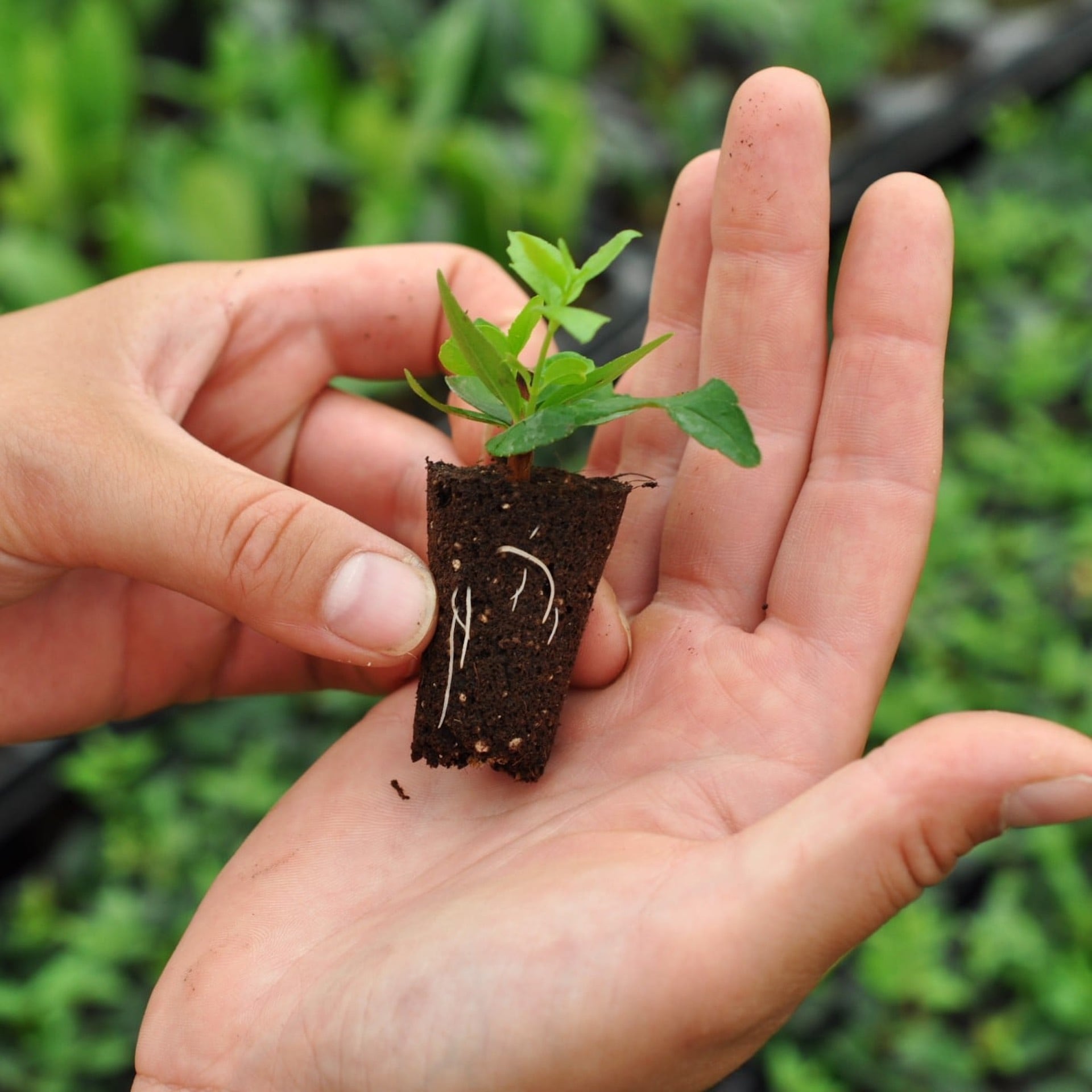
We have adopted a meticulous approach to plant selection, participating in the Plant Passport scheme to ensure the health, traceability, and provenance of all our plants.
In addition to achieving Plant Healthy certification, we are committed to maintaining our biosecurity.
We carefully research and source plants from guaranteed safe regions and take every possible step to minimise the risk of introducing plant pests or diseases.
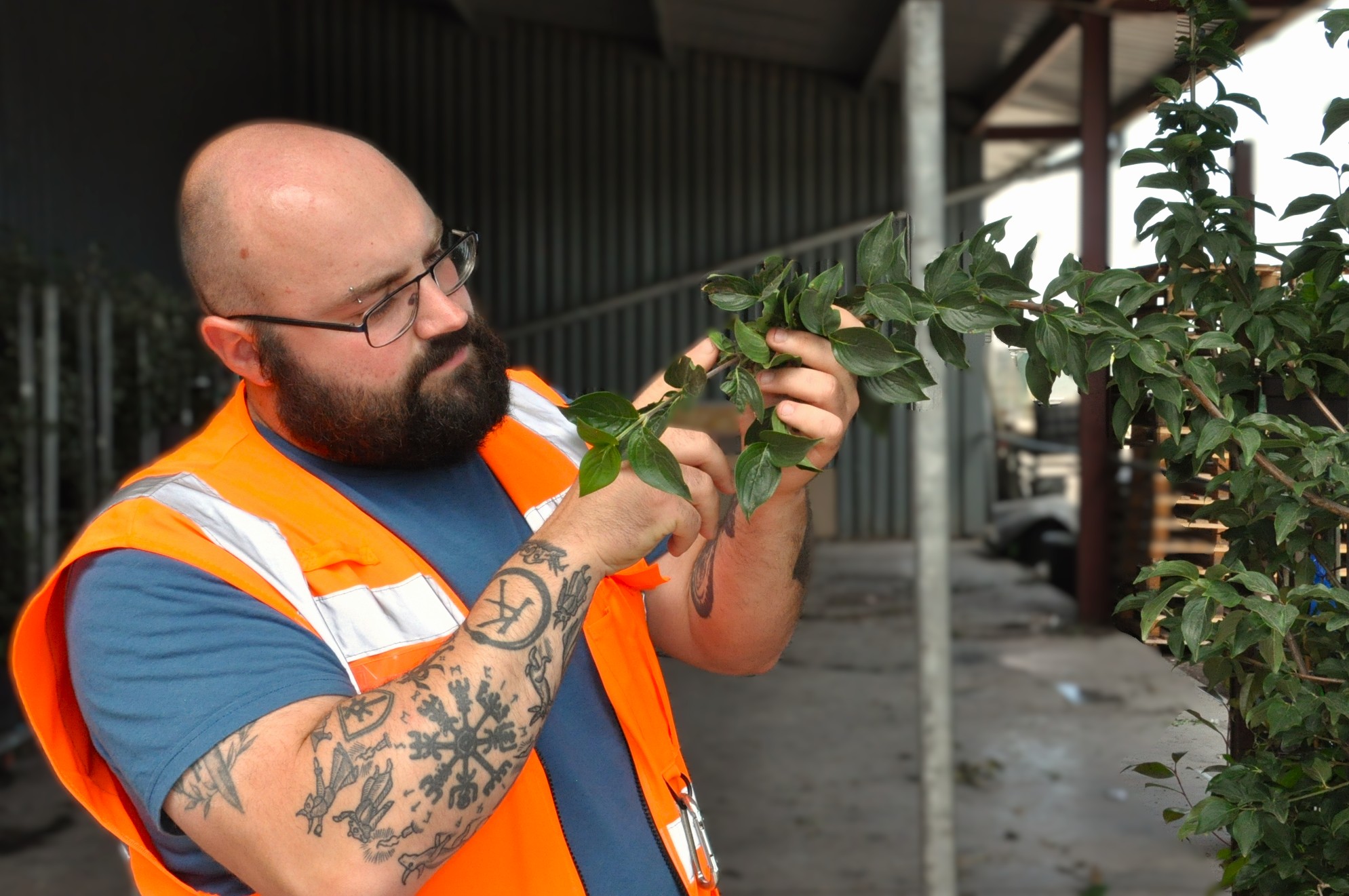
We have revised our management team structures to ensure that ecologically sensitive areas of our operations remain closely linked with plant production values, ensuring vital cooperation across all areas of the nursery.
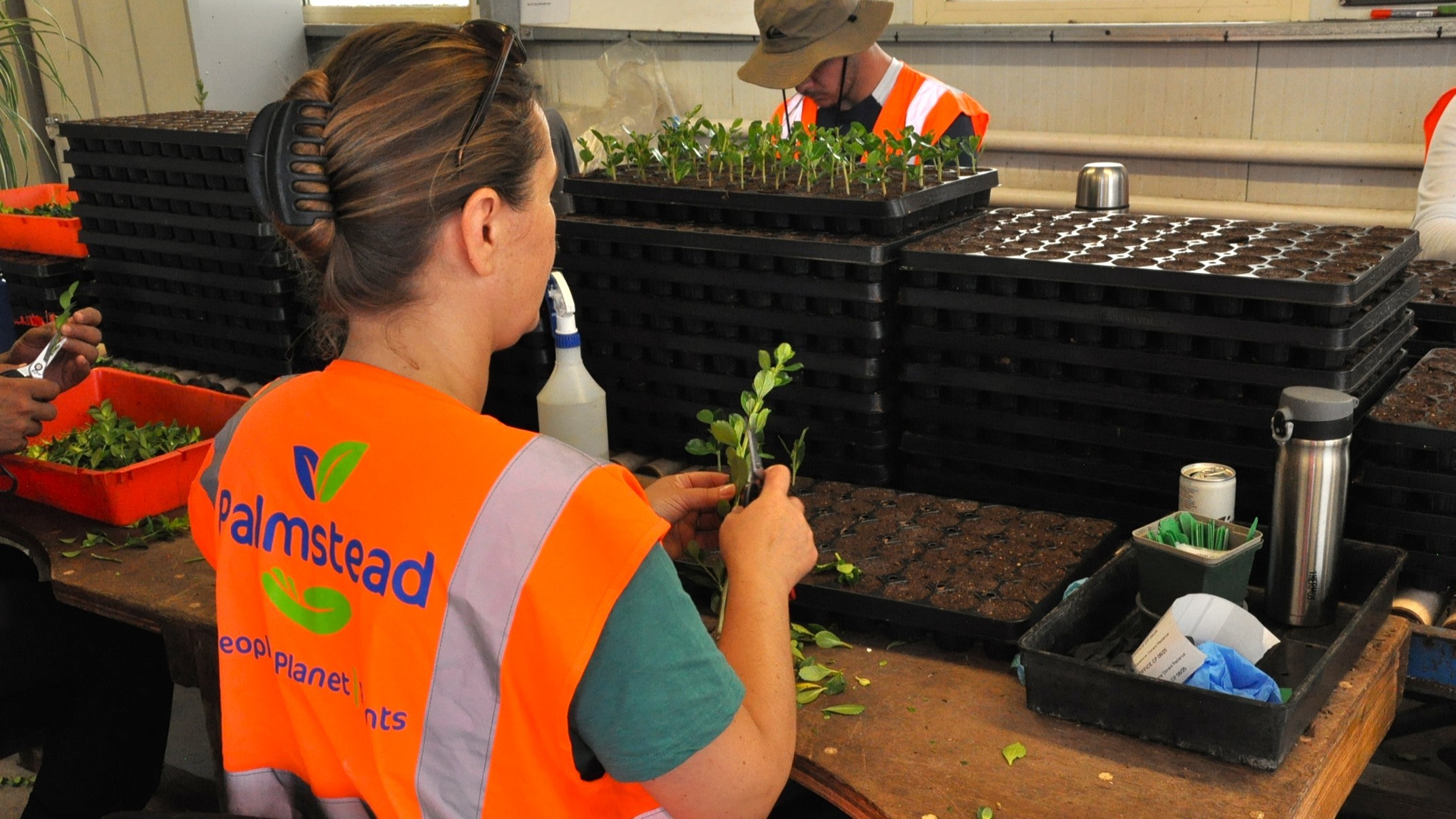
Wherever possible, we extensively use and prefer biological methods for pest and disease control throughout our nursery. This is for a variety of reasons, but an important consideration is that many pesticides can affect non-target creatures that are often assisting in the natural control of other pests.
We also incorporate biological Controlled Release Fertilisers (CRFs) into our propagation growing media and container production, which will release a steady flow of nutrients over a given period of time, even after they have been sold and planted as part of our customers' projects and designs.